
Autor: oli

  • Plastic as a Canvas: Turning Waste Into Art

    Plastic as a Canvas: Turning Waste Into Art

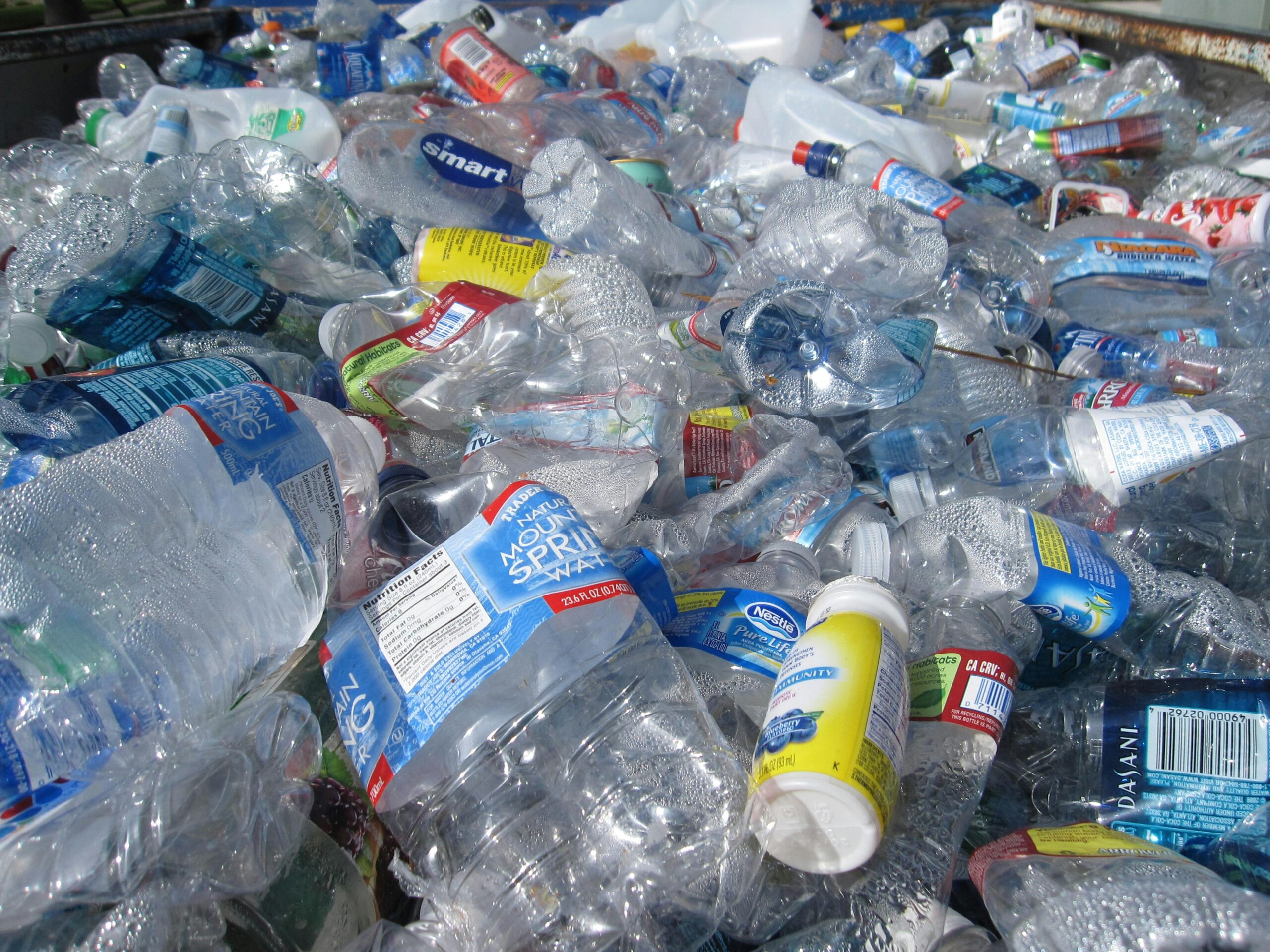
    Plastic is often seen as one of the biggest environmental challenges of our time. It’s everywhere—packaging, bottles, containers—and it takes hundreds of years to break down. But for many artists and makers, plastic waste is more than just a problem. It’s a raw material, full of color, texture, and possibility. By reusing plastic in art, we can give it a second life while sparking conversations about sustainability.

    Why Plastic Works for Art

    Plastic is lightweight, versatile, and comes in every color imaginable. From bottle caps and wrappers to broken toys and packaging, discarded plastic offers endless shapes and shades that can be combined into something new. What was once trash becomes a palette.

    Inspiring Ways to Use Plastic as Art

    1. Mosaics and Murals
    2. Thousands of bottle caps or cut-up plastic pieces can form vibrant wall art. The irregular shapes and bright colors create a playful, tactile effect that paint alone can’t achieve.
    3. Sculpture
    4. Old bottles, straws, and containers can be cut, melted, or layered into sculptural forms—ranging from small figurines to large public installations. The contrast between waste and beauty often makes the message even more powerful.
    5. Wearable Art
    6. Artists have turned plastic packaging into jewelry, accessories, and even entire fashion collections. These pieces highlight both creativity and the urgent need to rethink single-use plastics.
    7. Functional Art
    8. Plastic art doesn’t have to be purely decorative. Lamps made from translucent bottles, baskets woven from strips of plastic bags, or chairs built with recycled panels blur the line between function and expression.

    Art With a Message

    Plastic art isn’t just about aesthetics—it often carries a story. Each piece of reused plastic tells a tale of consumer culture, waste, and transformation. It invites viewers to reflect on how materials are used and discarded, while showing that beauty and meaning can emerge from what we throw away.

    Getting Started

    You don’t need to be a professional artist to experiment. Collect colorful bottle caps, cut up plastic containers, and see what patterns emerge. Simple collages or abstract wall hangings can be the first step toward larger projects.

    In the End

    Reusing plastic as art transforms one of our biggest environmental challenges into a medium for creativity and change. Each sculpture, mosaic, or piece of jewelry isn’t just an artwork—it’s a statement that waste can become wonder.
  • Rethinking PET Bottles: From Single Use to Endless Possibilities

    Rethinking PET Bottles: From Single Use to Endless Possibilities

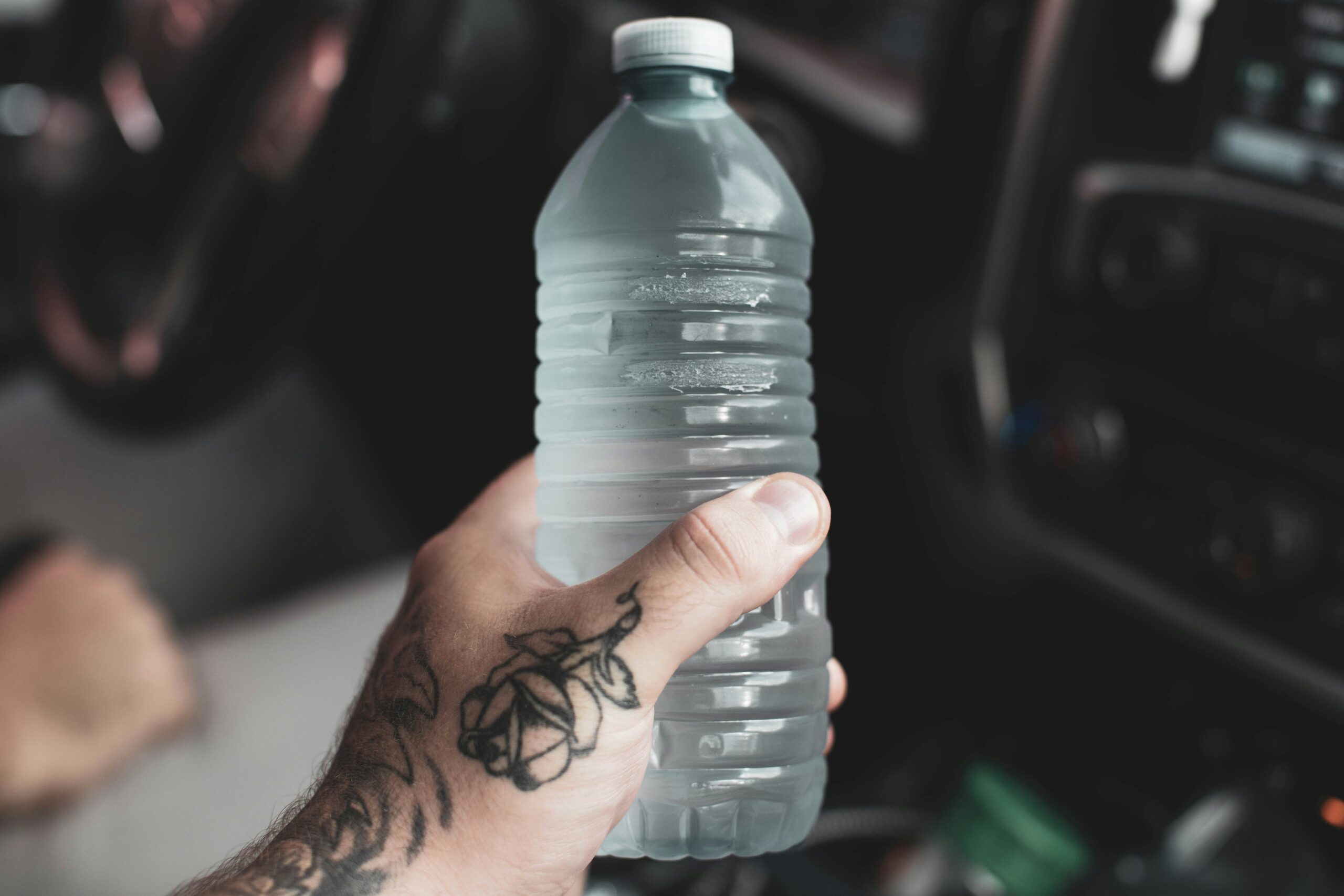
    Every minute, more than a million plastic bottles are purchased worldwide. Most are made from PET (polyethylene terephthalate), a material that is lightweight, durable, and recyclable. Unfortunately, too many bottles still end up in landfills or in nature. The truth is: PET bottles don’t have to be single use. With a little creativity, they can live many lives before being recycled.

    Why PET Bottles?

    PET is one of the easiest plastics to reuse. It’s strong enough to be cut, drilled, or heated, yet light and easy to handle. Clear PET bottles also let light through, which opens up a range of practical and decorative possibilities.

    Creative Ways to Reuse PET Bottles

    1. Gardening Solutions
    • Cut bottles in half for seed starters or mini greenhouses.
    • Build self-watering planters with a bottle, some string, and soil.
    • Stack larger bottles together to create vertical gardens on balconies or walls.
    1. Household Hacks
    • Turn bottles into funnels, scoops, or storage containers.
    • Use them to organize small items like screws, buttons, or beads.
    • Make bird feeders by cutting side openings and adding perches.
    1. DIY & Crafts
    • Colorful bottles can be cut into strips and woven into baskets.
    • Pieces of PET can be shaped into flowers, jewelry, or decorations.
    • Whole bottles can be painted and turned into lanterns or lamp covers.
    1. Bigger Projects
    • Around the world, people have used PET bottles filled with sand or soil as eco-bricks for building walls and benches.
    • Floating devices like rafts or garden pontoons can be built by bundling bottles together.

    Safety First

    When cutting or heating PET bottles, always use sharp tools carefully and ensure good ventilation if applying heat. PET is safer than many plastics, but it’s still best to avoid inhaling fumes.

    From Waste to Resource

    Reusing PET bottles reduces the need for new plastic and gives this versatile material a second chance before it’s recycled. Each reuse delays disposal, cuts down waste, and sparks creativity.

    In the End

    PET bottles are more than just containers for water or soda—they’re building blocks for countless small and big projects. The next time you finish a drink, think before you toss the bottle. It might just be the start of your next creative idea.

  • Metal Waste: From Burden to Resource

    Metal Waste: From Burden to Resource

    Metal is everywhere in our daily lives—cars, appliances, construction materials, packaging. But when it’s no longer needed, much of it becomes waste. Left unchecked, metal waste piles up in landfills, where it corrodes slowly and often leaches harmful substances into the environment. The good news? Metal is one of the most reusable materials we have. With smart recycling and creative reuse, metal waste can shift from being a burden to being a valuable resource.

    The Value of Metal

    Unlike many other materials, metals don’t lose their properties when recycled. Steel, aluminum, and copper can be melted down and reshaped endlessly without degrading in quality. This makes metal waste not just trash, but raw material waiting to be reborn.

    The Environmental Cost of Throwing Metal Away

    Mining and refining new metal requires massive amounts of energy and water, not to mention the environmental destruction of mining sites. Every ton of metal that is reused or recycled reduces the need for new extraction, cutting greenhouse gas emissions and preserving natural landscapes.

    How Metal Waste Can Be Reused

    1. Industrial Recycling
    2. Large-scale recycling plants melt and reforge scrap into new beams, cans, wires, and car parts. This circular loop saves billions of tons of raw material each year.
    3. Community and DIY Projects
    4. On a smaller scale, discarded pipes, sheets, and wires can be used in construction, furniture, and art. Community workshops often use scrap metal to teach welding and fabrication skills.
    5. Creative Applications
    6. Artists and designers have embraced metal waste, turning gears, bolts, and panels into sculptures, jewelry, and modern furniture pieces. What once was scrap becomes culture and design.

    What You Can Do

    • Separate your waste: Keep metal out of general trash to make recycling easier.
    • Support recycling services: Use scrap collection points instead of dumping.
    • Think twice before discarding: That old bike frame or steel shelf might be useful to someone else—or to you after a little upcycling.

    A Circular Future

    Metal waste reminds us that materials aren’t inherently “waste.” They are only wasted when we fail to see their value. By rethinking how we handle metal at every level—from industry to household—we can close the loop and keep resources in circulation.

    In the End

    Every piece of metal waste is an opportunity. Whether recycled into new infrastructure or repurposed into art and furniture, metal has the potential for infinite lives. The challenge is to stop seeing it as disposable and start treating it as what it really is: a resource too valuable to waste.

  • From Rags to Riches: Creative Ways to Reuse Textile Waste

    From Rags to Riches: Creative Ways to Reuse Textile Waste

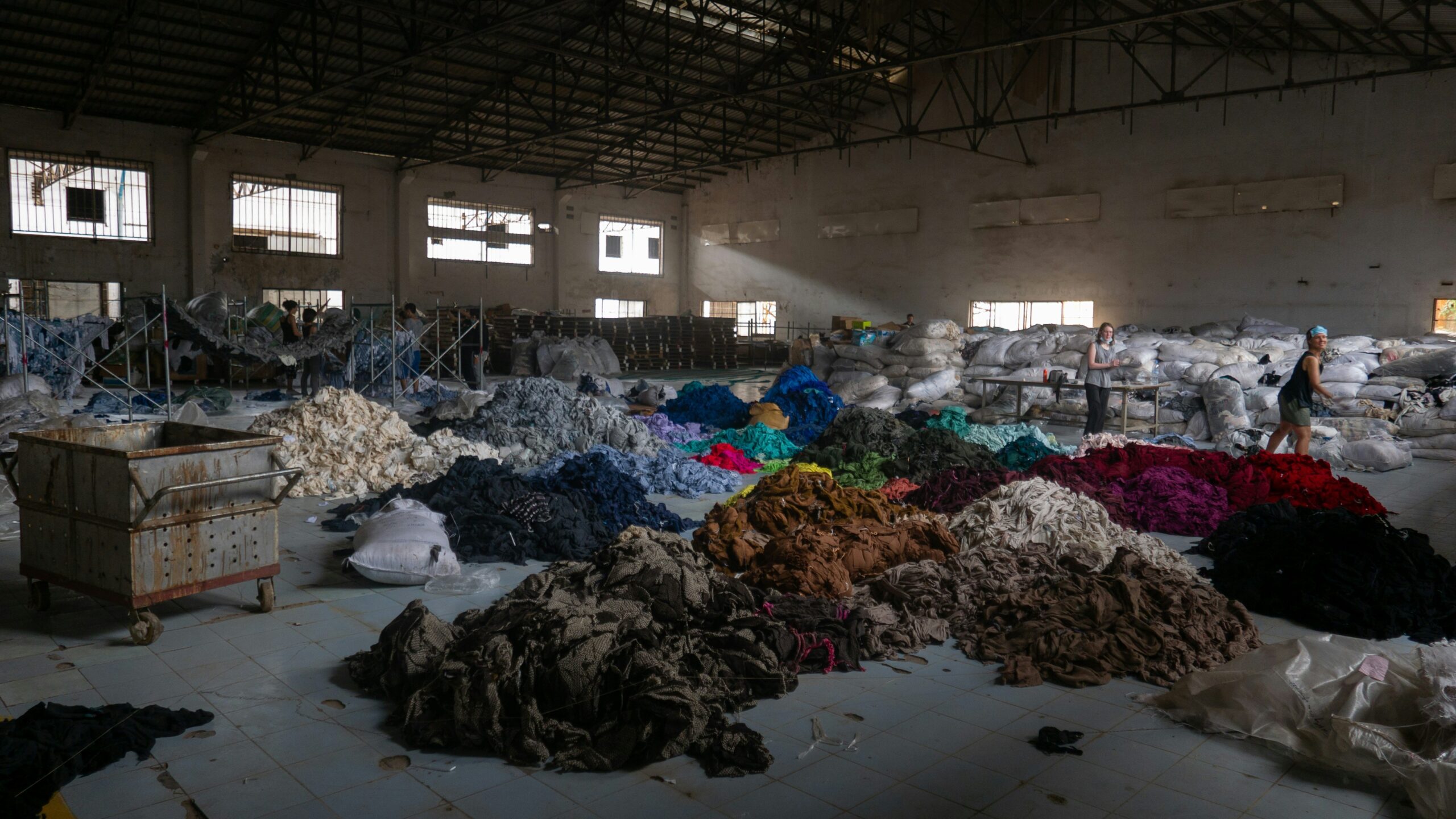
    Textile waste is one of the fastest-growing waste streams in the world. Old clothes, worn-out linens, fabric offcuts from sewing projects—most of it ends up in landfills or gets incinerated. But fabrics are versatile materials with so much life left in them. By reusing textile waste, we not only reduce environmental impact, we also unlock endless opportunities for creativity and style.

    Why Textiles?
    Fabrics come in a wide variety of colors, textures, and strengths. Cotton, denim, wool, or polyester scraps can all be cut, sewn, patched, or woven into something new. Unlike many other materials, textiles are soft, flexible, and easy to work with—even without specialized tools.

    Ideas to Spark Your Imagination

    Fashion Reimagined

    Old jeans can be turned into tote bags, aprons, or even patchwork jackets.

    T-shirts can be cut into strips and braided into headbands or rugs.

    Mixing fabrics gives new garments a one-of-a-kind, upcycled look.

    Home & Interior Projects

    Patchwork quilts and cushion covers bring warmth and color to any room.

    Fabric scraps can be sewn into reusable shopping bags, reducing the need for plastic.

    Worn-out towels or sheets can be transformed into cleaning cloths or pet bedding.

    Crafts & DIY Decor

    Small fabric pieces are perfect for doll clothes, bookmarks, or ornaments.

    Strips of fabric can be woven into baskets, mats, or wall hangings.

    Embroidery and applique techniques turn scraps into decorative art.

    Functional Upcycling

    Old textiles can be shredded and used as stuffing for pillows or toys.

    Denim or canvas scraps are strong enough to become tool rolls or protective covers.

    Fabric leftovers can be used in zero-waste kits—like washable makeup pads or napkins.

    Getting Started
    If you can thread a needle, you can start reusing textiles. A sewing machine makes bigger projects easier, but hand-stitching is perfect for small upcycles. Even if sewing isn’t your thing, cutting and knotting fabric into new shapes can go a long way.

    Sustainability with Style
    Reusing textiles saves water, energy, and resources that would otherwise go into producing new fabrics. It also gives us a chance to create items that are unique, personal, and meaningful—things that carry a story instead of just being another product off the rack.

    In the End
    Textile waste doesn’t have to be wasted at all. With a little imagination, those old clothes and fabric scraps can become the foundation for something practical, beautiful, and sustainable. Before you throw away that torn shirt or faded sheet, ask yourself: what could this become next?

  • Giving Old Wood a New Life: The Beauty of Upcycling with Ecotransform

    Giving Old Wood a New Life: The Beauty of Upcycling with Ecotransform

    At Ecotransform, we believe that every piece of wood tells a story. From beams that once supported historic houses to planks that framed family barns, old wood carries character, warmth, and a unique soul that new materials simply cannot replicate. Instead of letting this precious resource go to waste, we give it a second life through upcycling.

    Why Old Wood Matters

    Reusing old wood is more than just a trend—it’s a sustainable choice with real impact:

    • Environmental responsibility: By upcycling, we reduce the demand for freshly harvested timber and help preserve forests.
    • Lower carbon footprint: Old wood already exists; using it again minimizes energy-intensive production and transportation processes.
    • Character and uniqueness: No two reclaimed planks are the same. Weathering, knots, and natural patina create a distinct look that adds authenticity to any project.

    From Waste to Wonder

    At Ecotransform, we carefully source old wood from construction sites, deconstructions, and community donations. Instead of being burned or discarded, these materials are transformed into something new:

    • Furniture with personality: Tables, shelves, and benches crafted from reclaimed planks.
    • Interior highlights: Wall cladding, flooring, or ceiling beams that give spaces warmth and depth.
    • Custom projects: Unique designs tailored to businesses and individuals who want sustainable solutions with a story.

    Craft Meets Consciousness

    Every piece we make is not just functional, but a reminder that sustainability and beauty go hand in hand. Our artisans respect the natural imperfections in the wood, allowing them to shine as part of the design. This way, each creation is both eco-friendly and one-of-a-kind.

    Join the Upcycling Movement

    Choosing reclaimed wood isn’t just about design—it’s about making a conscious choice for the planet. Whether you’re redesigning your living room, setting up a new office, or just looking for a timeless piece of furniture, Ecotransform is here to turn yesterday’s materials into tomorrow’s treasures.

    Let’s celebrate the beauty of old wood and transform waste into wonder—together.

  • Turning Scrap Metal Into Something Awesome: Creative Ways to Reuse What Others Throw Away

    Turning Scrap Metal Into Something Awesome: Creative Ways to Reuse What Others Throw Away

    Scrap metal might look like a pile of rusted leftovers to some, but in the right hands, it can become the raw material for creativity. Reusing scrap metal not only keeps waste out of landfills, it also gives us the chance to create unique, durable, and sometimes downright stunning pieces. Whether you’re a hobbyist, an artist, or just someone who hates waste, scrap metal is a playground of possibility.

    Why Scrap Metal?
    Unlike plastic or wood, metal doesn’t lose its strength when recycled or reused. A bent steel rod, an old car part, or leftover copper piping might seem useless, but they can be reshaped, welded, or combined into something new. Plus, metal has an aesthetic character—scratches, patina, and weathering add personality that brand-new materials just don’t have.

    Ideas to Spark Your Imagination

    1. Furniture with Character
      Old steel pipes can become table legs, scrap sheet metal can be repurposed into tabletops, and discarded gears or springs can find new life as decorative accents. The industrial vibe of metal furniture never really goes out of style.
    2. Garden & Outdoor Projects
      Scrap metal is perfect for weather-resistant planters, trellises, or sculptures that give your garden an edge. Think rustic steel arches or a funky bird feeder made from old tools.
    3. Art & Sculptures
      Many artists love working with discarded materials. Welded scrap sculptures, wall art, or even jewelry can tell a story while giving waste a second life.
    4. Functional Upcycling
      With some creativity, scrap metal can become coat racks, shelving brackets, or even lamps. The strength of metal makes it ideal for projects that need to last.

    Getting Started Safely
    If you’re new to working with metal, start small. Basic hand tools are enough for projects like bending wires or creating simple decor. For bigger builds, a welding machine (and proper training) opens up endless possibilities. Don’t forget gloves, goggles, and protective gear—metal can be sharp, heavy, and hot.

    Sustainability with Style
    Every time we reuse scrap, we cut down on the energy and resources it takes to mine and process new metals. That means your cool DIY project isn’t just one-of-a-kind—it’s also part of a bigger movement toward sustainable living.

    In the End
    Scrap metal is proof that beauty and function can come from what’s often overlooked. With a bit of imagination, you can transform forgotten pieces into something that’s practical, stylish, and eco-friendly. Next time you see a pile of discarded metal, think twice: it could be the start of your next great project.

  • Giving Plastic a Second Life: Creative Ways to Reuse What’s Already Around Us

    Giving Plastic a Second Life: Creative Ways to Reuse What’s Already Around Us

    Plastic scrap is everywhere—bottle caps, packaging, broken containers, old toys. Too often, these items end up as waste, but with a bit of creativity, they can be turned into useful or beautiful new things. Reusing plastic not only keeps it out of landfills and oceans, it also reminds us that waste can be the start of something valuable.

    Why Plastic Scrap?
    Plastic is lightweight, durable, and easy to cut, shape, or melt. While its long lifespan makes it a problem when discarded, it’s also what makes it a fantastic material for reuse. Each piece of plastic—whether it’s smooth, colorful, or transparent—comes with its own design possibilities.

    Ideas to Spark Your Imagination

    1. Home Decor & Furniture
      • Melted or fused plastic bags can be shaped into colorful lampshades.
      • Bottle caps arranged into patterns can make vibrant tabletops or wall art.
      • Strong plastic containers can be repurposed as stackable storage solutions.
    2. Gardening Hacks
      • Old bottles cut in half make excellent seed starters or mini greenhouses.
      • Larger containers can become durable planters or self-watering pots.
      • Plastic scraps can be cut into plant markers to help organize your garden.
    3. DIY Everyday Items
      • Shredded plastic can be melted into tiles, coasters, or trays.
      • Old buckets and bins can be turned into organizers for tools or craft supplies.
      • Durable plastic strips can be woven into baskets or mats.
    4. Art & Jewelry
      • Colorful bottle caps and packaging pieces can become earrings, necklaces, or mosaics.
      • Sculptures made from assorted plastic scrap make bold statements about reuse and sustainability.

    Getting Started Safely
    Working with plastic doesn’t always require special tools. Scissors, craft knives, and a bit of glue are enough for many projects. If you melt or heat plastic, always do it in a well-ventilated area, as fumes can be harmful.

    Sustainability with Creativity
    Every time we reuse plastic scrap, we extend its life and reduce demand for new plastic production. It’s a simple but powerful way to tackle one of today’s biggest waste challenges—while creating something unique and useful.

    In the End
    Plastic scrap doesn’t need to be an environmental burden. With a little creativity, it can become raw material for colorful, functional, and fun projects. The next time you’re about to toss a piece of plastic, pause for a moment—you might just be holding the start of your next creation.